+
CLOSE
Apply Online




+
CLOSE
Register
+
CLOSE
Quick Enquiry
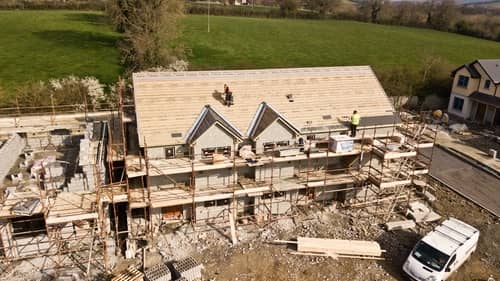
Bespoke Development Finance for a New Purchase and Part-Complete Development in Lancashire
This case study shows how we structured a bespoke funding solution that enabled an experienced project manager to use the value in a part-complete development to acquire and begin work on a second residential scheme.
The Challenge
Our client was an experienced project manager who had recently returned to property development, funding their first scheme entirely with their own capital.
With that project well underway, they identified an opportunity to acquire another residential development site in Lancashire. However, rather than selling or refinancing the existing scheme immediately, they wanted to use the equity already created within it to support the purchase of the new site.
The client’s strategy was to:
- Complete the existing development using their own funds
- Purchase a second development site immediately
- Begin construction on the new scheme
- Finish the second development once the first project had been sold and the sales proceeds became available
This created a challenge for lenders, as the funding facility would only cover the acquisition and early stages of the second development. The lender therefore had no guarantee that either project would be completed using the funds they were providing.
Many traditional development finance lenders considered the structure too complex or outside their standard lending criteria.
Our Solution
Positive Commercial Finance sourced a specialist lender willing to take a commercial approach to the transaction.
Rather than relying solely on standard lending criteria, the lender visited both development sites and met the client to gain a full understanding of the projects, the development strategy and the client’s experience.
Following the site visit, the lender was comfortable with the proposed structure and agreed a bespoke Development Finance facility that funded:
- 100% of the purchase of the new development site
- The initial construction costs needed to begin the project
The facility gave the client the flexibility to continue progressing both developments in line with their business strategy without being forced to refinance or sell the existing project prematurely.
Deal Structure
- Funding: 100% of the site acquisition and initial development costs
- Interest Rate: 0.9% per month
- Arrangement Fee: 2%
- Exit Fee: 0.9% of the facility
- Term: 12 months
The Outcome
The client successfully secured the funding needed to purchase the second development site and begin construction while continuing to complete their existing scheme using their own capital.
By arranging a bespoke Development Finance facility, Positive Commercial Finance helped the client maintain control of both projects and avoid disrupting their wider investment strategy.
This case study demonstrates how specialist development finance can provide flexible solutions where traditional lenders may be unwilling to support more complex development structures.
Contact
Gary Ellis On 07764 699881 or message here
Related case studies


Quick Enquiry